Falmouth University

Overview
Established in 1902 as the Falmouth School of Art, Falmouth University has a well earned reputation for its impact, innovation and cross disciplinary collaboration. The university has a portfolio of undergraduate and postgraduate courses that represents the breadth of the creative industries, from art, design and fashion, to gaming, music and film.
The university fosters and celebrates creativity through hands-on experience, practitioner led tutoring and industry connections and engagement. Falmouth believes in learning through doing to produce vibrant, engaging creative learning communities both on-campus and online.
The university launched its first online master’s degree in 2016 and since then has grown its online portfolio to cover 13 MAs and 8 BA degrees.
Falmouth University has designed its online courses to nurture collaboration and creativity. The university has won awards for its digital learning platform (Ethical EdTech Award, 2022).
Digital learning space
The university uses and integrates a number of tools and platforms to allow teamwork and collaboration for a global student body. In addition to the asynchronous tools, each programme incorporates regular webinars for knowledge sharing—to ask questions and receive feedback on projects from tutors and fellow students.
- Virtual studios
- Mind-mapping software
- Visual storyboarding tools
- Reflective journals
- Videos
- Forums
- Real-time webinars and tutorials
Collaboration and community
The tools and teaching methods used allow students to engage and collaborate as they explore their creative practice regardless of time zone or schedule.
By building a sense of community through feedback opportunities, optional face-to-face events, and encouraged networking beyond webinars, students can build meaningful relationships and expand their professional contacts within the creative industry.
Creative development and feedback
Students receive both written and verbal feedback on module assessments. Structured webinars and tutorials are designed to dive deep into project details, enhancing understanding and providing personalised guidance.
Students share their ideas and perspectives with formative assessments and receive feedback in a supportive environment. This process is designed to help refine creative practices and enhance skills through continuous learning and iteration.
Student Support
Online students receive the same level of support as their on-campus contemporaries. Falmouth has several dedicated teams to support students transitioning to higher education or returning to study at postgraduate level online.
The Accessibility and Inclusive Learning team is available to help and advise students with disabilities, health conditions, or learning differences as soon as they have accepted their place to study.
When studying, student advisors can help with general questions and can signpost to other specific academic or well-being support teams, such as the university’s employability service.
The tutors are the first point of call for any academic questions and offer regular, one-to-one feedback on students’ work as students develop and progress through the programme.
On this page
Visit Falmouth University SiteRankings and Reputation
No.1 Creative Arts university outside of London
(The Good University Guide, The Times and Sunday Times 2025)
TEF Silver
(Teaching Excellence Framework, 2023)
Award-winning virtual learning environment
(Ethical EdTech Award, 2022)
No.1 for game design in england
The Princeton Review. 2026
Student work
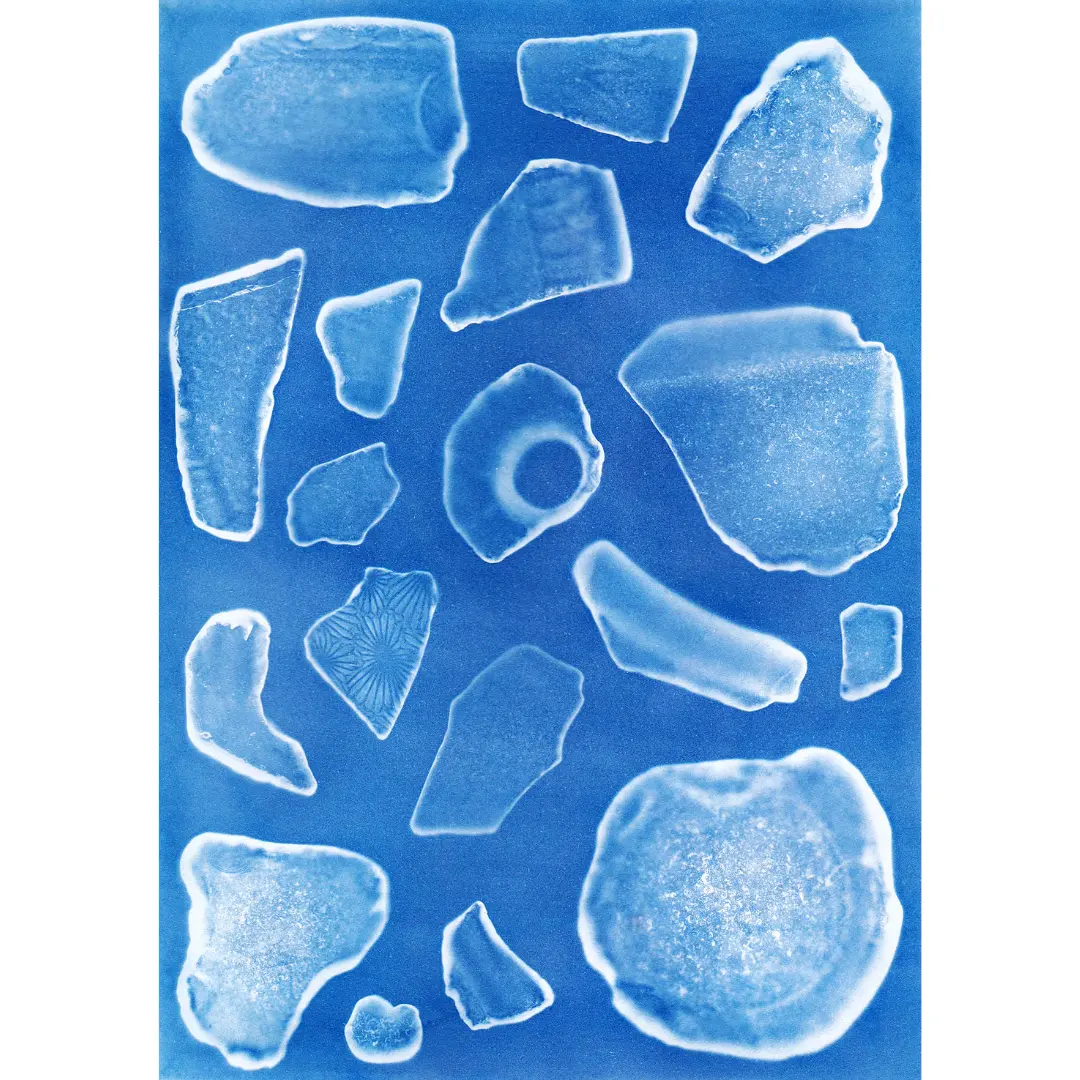
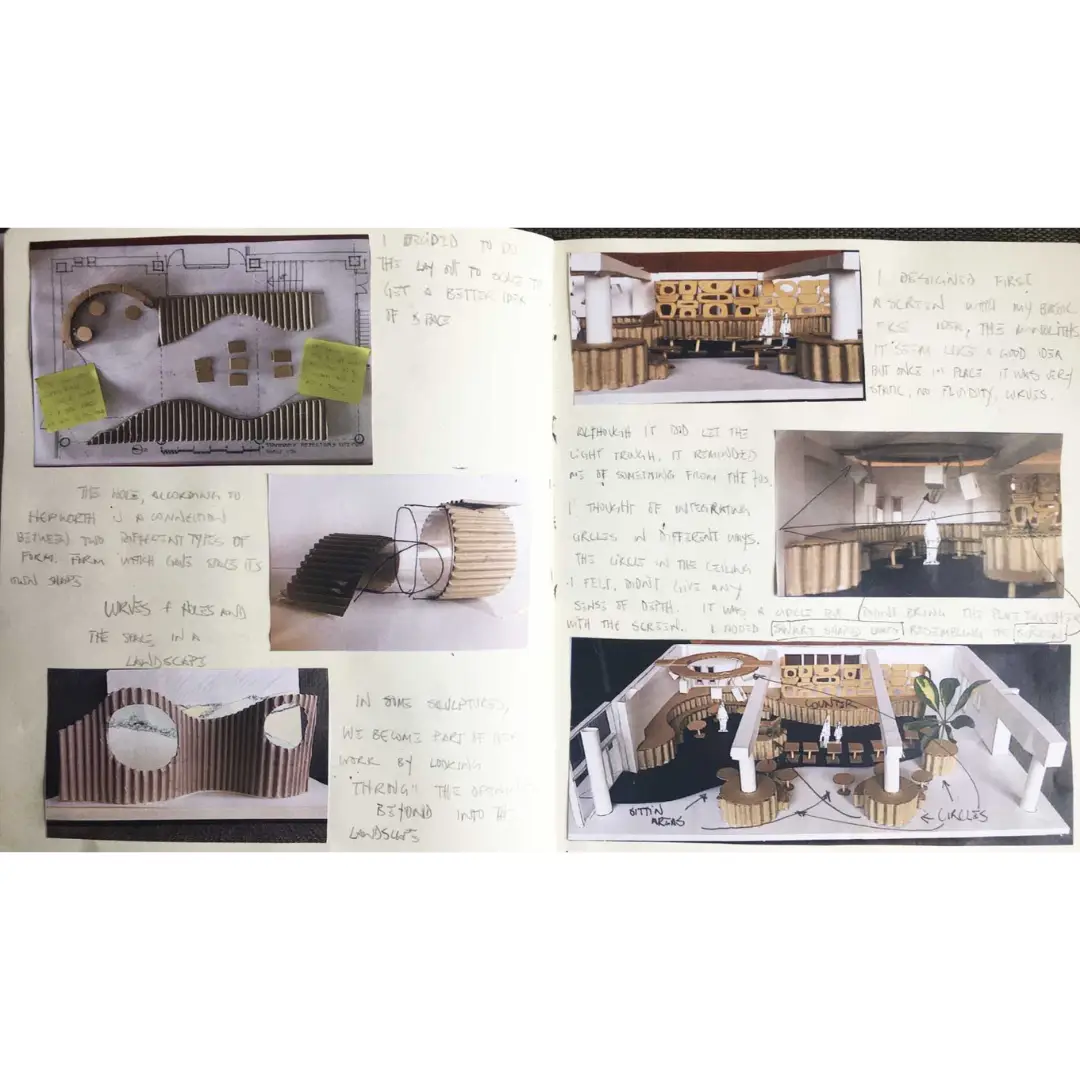
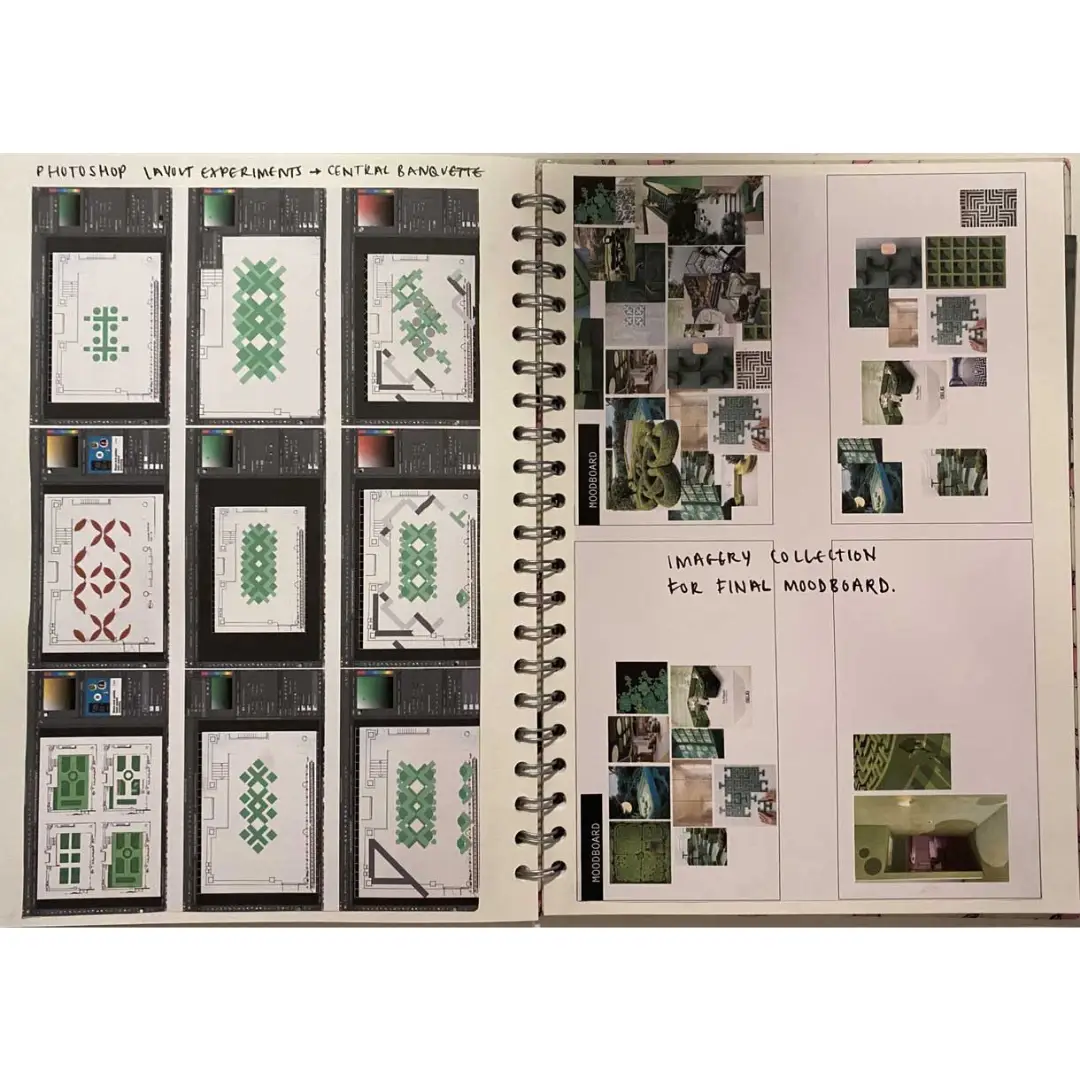
Falmouth provides the same level of teaching excellence and industry exposure to its online students as their on-campus cohorts. The university has developed a digital learning experience to foster, challenge and share creativity.



Real-world applications
- Online Illustration students respond to live brief and have illustrations published for new maps of Cornwall
- Online Photography student named finalist in new industry talent award
- Online Creative Events Management students get hands-on experience in festival accessibility
- Online Creative Events Management students gain valuable industry insights at London events
- Falmouth’s online Film & Television MA student filmmakers are scooping awards for their films left, right and centre
- Creative Writing online student wins award at Teignmouth Poetry Festival
- Writing for Script & Screen MA (Online) students learn from Sky Studios’ Head of Commissioning in Milan
Online Courses
Undergraduate fees
| Certificate | Fees |
|---|---|
| BA(Hons) / BSc(Hons) courses, 2 years accelerated full-time, online | £10,400 per year (£20,800 in total) |
| BA(Hons) / BSc(Hons) courses, 3 years part-time, online | £6,935 per year (£20,805 in total) |
Postgraduate fees
| Certificate | Fees |
|---|---|
| MA(Hons) / MSc(Hons) courses, part-time, online | £6,075 per year (£12,150 in total) |
| PGDip | £7,921 in total |
| PGCHE | £3,394 in total |
Funding & scholarships
Falmouth University offers a range of scholarships and fee reductions for our online programmes including the Falmouth Talent Scholarship & Practicing Educator Discount. Explore the full range scholarships and fee reductions, as well as information on funding your studies, here.
Two-year degrees
Falmouth’s online degrees can can be completed in two years. Unlike a three year degree schedule, there are no summer breaks. However, there is normally a two week break between each module in addition to UK public holidays and three weeks at Christmas. Students can also study part-time and complete the degree over three years.
Time commitments
Falmouth generally recommends 27 – 33 hours of study per week for its part-time degree, or 40 – 50 for the full-time programme, depending on your individual learning style and ability. The important thing to remember is that you can complete these hours at a time that suits you; all lectures are recorded and can be replayed at any time, so can fit around working commitments.
Undergraduate entry requirements
104 – 120 UCAS Tariff points. UCAS Tariff points will primarily be from Level 3 qualifications such as but not limited to A-levels, T Levels, a BTEC/UAL Extended Diploma or a Foundation Diploma.
English Language Requirements
If your first language is not English, you’ll need to take an English Language test.
The university accept:
IELTS – minimum overall score of IELTS 6.0 with at least 5.5 in Reading, Writing, Speaking and Listening
Falmouth also accept a range of other recognised English language qualifications. You can visit the Falmouth’s English Language Requirements page for more information.
Time commitments
The MAs are specifically designed to be studied anytime, anywhere and part-time. The university recommends between 20 – 25 hours of study per week at a time that suits yout. All lectures are recorded and can be replayed at any time.
Postgraduate entry requirements
An honours degree or Level 6 equivalent qualification is desirable. However, candidates without a degree or formal qualification are still encouraged to apply.
English Language Requirements
If your first language is not English, you’ll need to take an English Language test. Falmouth accept:
IELTS – minimum overall score of IELTS 6.5 with at least 6.0 in Reading, Writing, Speaking and Listening
TOEFL iBT (online test) – minimum of 88 overall and at least 21 in all 4 components
LanguageCert (online test) – a High Pass from the ESOL B2 Communicator test in reading, writing, speaking and listening (2 parts)
The university also accept a range of other recognised English language qualifications. You can visit Falmouth’s English Language Requirements page for more information.
If you have any questions about your qualifications, English language requirements or anything else related to applying please contact our friendly Course Advisors.
Campus Location
Woodlane
Falmouth
Cornwall
TR11 4RH
01326 211077